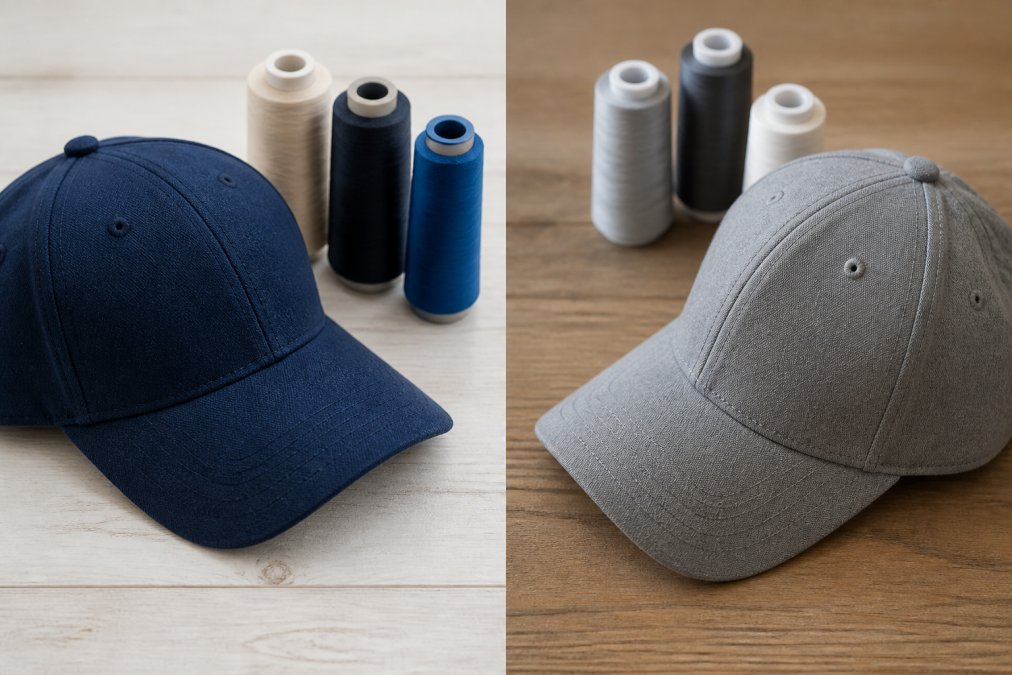
 comparison
Atlas Embroidery vs Threadbird: 2026 Comparison
Table of Contents
- Atlas Embroidery vs Threadbird: Quick Comparison Table
- Atlas Embroidery: Strengths and Limitations
- Threadbird: Strengths and Limitations
- Screen Printing vs Embroidery for Company Logos
- Bulk Screen Printing Turnaround Times: What to Expect
- How to Choose a Custom Merch Vendor That Fits Your Needs
- Logo Concepts & Printing: A Third Option Worth Evaluating
- Frequently Asked Questions
Last Updated: September 12, 2026
Atlas Embroidery vs Threadbird: Quick Comparison Table
Choosing between Atlas Embroidery and Threadbird comes down to one question: do you need a decorated garment, or do you need a merchandise operation? This atlas embroidery vs threadbird comparison breaks down where each vendor wins, where each falls short, and which one fits the way your team actually orders branded gear. At Logo Concepts & Printing, we've spent more than 25 years watching businesses commit to vendors before they understand that distinction, and it's usually an expensive lesson.
Both companies sit in the same general category of custom apparel production. They are not interchangeable.
| Factor | Atlas Embroidery | Threadbird |
|---|---|---|
| Core strength | Embroidery, emblems, corporate apparel | Screen printing plus e-commerce fulfillment |
| Best for | Corporate branding, hats, golf apparel | Brands and creators selling online |
| Production methods | Embroidery, screen printing, patches | Screen printing, embroidery, cut and sew |
| Fulfillment services | Not a focus | End-to-end, integrated with online stores |
| Minimum order profile | Quote-based, corporate quantities | Geared toward bulk |
| Pricing model | Custom quote | Custom quote |
U.S. Small Business Administration guidance on choosing suppliers
Atlas Embroidery: Strengths and Limitations
Atlas Embroidery is a full-package decorator built around corporate identity work: embroidery, screen printing, and custom emblem or patch embellishment. The company's focus lands squarely on corporate apparel, hats, and golf clothing, which tells you something about the buyer it serves.
What Atlas Embroidery Does Well
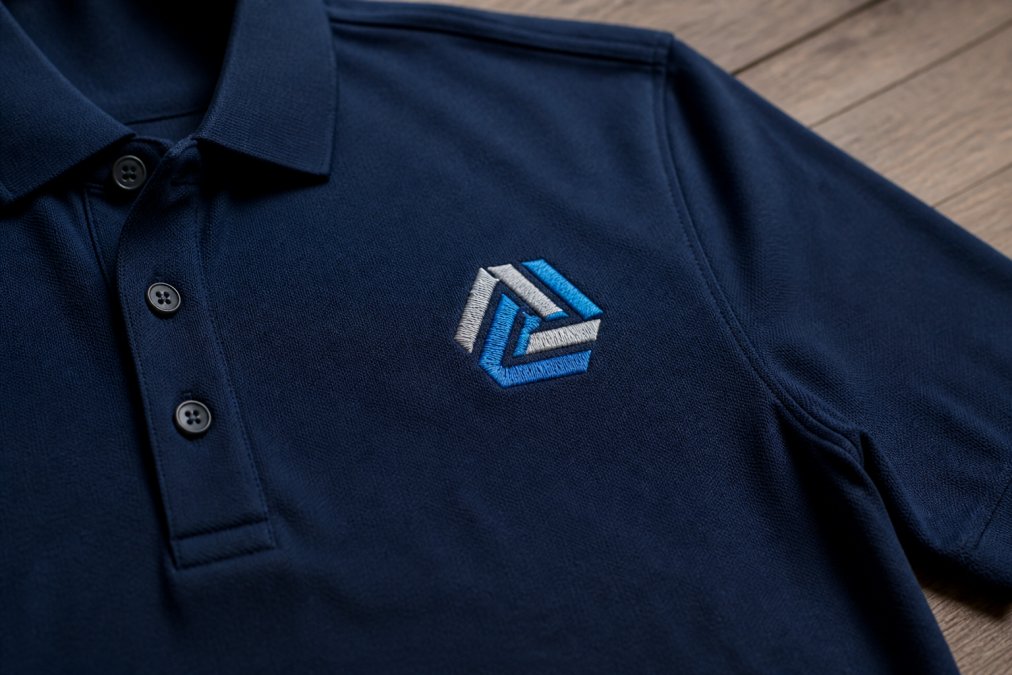
Emblem and patch work is where this vendor separates itself. If your logo needs to read clearly at small size on a left-chest placement or a structured cap front, embroidery and custom emblems handle that better than a flat print. Atlas also runs full-package production, so embroidery, printing, and embellishment can sit under one roof rather than getting split across three vendors.
For organizations ordering polos, quarter-zips, and caps in consistent quantities, that combination covers most of what you need.
Where Atlas Embroidery Falls Short
Pricing transparency is the weak point. Atlas works on a quote basis, so you cannot compare unit costs without requesting a quote and waiting. That slows down budgeting, and it makes apples-to-apples comparison against another vendor genuinely difficult.
The second limitation is scope. Atlas is a decorator, not a fulfillment partner. If you sell apparel online and need someone to warehouse, pick, pack, and ship orders as they come in, that is outside what this vendor is set up to do.
Threadbird: Strengths and Limitations
Threadbird is a full-service custom apparel company that pairs screen printing and embroidery with e-commerce fulfillment and cut-and-sew manufacturing. That combination points to a different customer than Atlas serves.
What Threadbird Does Well
Integrated fulfillment is the headline. For a brand selling merchandise through an online store, Threadbird can handle production and then manage the logistics of getting orders to customers. That removes a handoff that otherwise costs time and creates errors.
Cut and sew is the other differentiator. Rather than decorating a blank garment someone else made, cut and sew means the garment itself is produced to spec. For a brand that wants a proprietary fit or silhouette, that capability matters.
Where Threadbird Falls Short
The trade-off is minimums. Threadbird is built around bulk production, not small-batch runs. A team that needs fifteen embroidered jackets for a recognition event is not the customer this vendor is optimized for, and the per-unit economics reflect that.
Second, the fulfillment-first model adds capability you may never use. If you are ordering company logo apparel for internal use, you are paying for infrastructure that sits idle.
Screen Printing vs Embroidery for Company Logos
Screen printing wins on cost per unit at volume and on flat, detailed, multi-color graphics. Embroidery wins on durability, perceived quality, and small logos on structured garments like caps and polos. The right answer depends on the garment, the logo, and how long the item needs to last.
Here is the practical breakdown:
- Embroidery: Best for left-chest logos, hats, polos, and anything that will be washed repeatedly. Thread and stitching hold up better than ink over time (peer-reviewed research). Not ideal for fine detail, gradients, or very small text.
- Screen printing: Best for t-shirts, event apparel, and large front or back graphics. Handles multiple colors and fine detail well. Cost per piece drops sharply as quantity rises.
- A common mistake: choosing screen printing for a cap because it is cheaper, then discovering the print cracks along the crown seam within a few months.
For corporate uniforms and workwear, embroidery is usually the correct call. For a one-time event shirt, screen printing almost always is.
Bulk Screen Printing Turnaround Times: What to Expect
Turnaround depends on three variables: quantity, decoration method, and whether artwork is print-ready. A bulk screen printing order with clean vector art and no changes moves fastest. An order that needs design work, a revised mockup, and a rush date does not.
Plan around these stages rather than a single number:
- Artwork prep: Vector files and approved mockups move immediately. Raster files or logo redraws add days.
- Mockup and approval: Every order should be mocked up and signed off before production. Skipping this step is how logo placement errors happen.
- Production: Screen printing a large run takes longer than embroidering a small one, and both queue behind other jobs.
- Shipping: Ground transit adds time on top of production, and rush shipping adds cost.
The reliable move is to build in a buffer and confirm the schedule in writing before you commit to an event date. If you have three weeks and no design file, say so up front.
How to Choose a Custom Merch Vendor That Fits Your Needs
Match the vendor to the job, not to the lowest quote. Most bad vendor relationships start with a mismatch between what the buyer needs and what the vendor is built to do.
Work through these questions before you request a quote:
- Does the vendor handle your decoration method in-house, or subcontract it?
- What is the minimum order quantity, and does it fit your headcount?
- Will you receive a mockup for approval before production begins?
- Is pricing quote-based or published, and how long does a quote take?
- Do you need fulfillment or warehousing, or just decorated garments?
- What is the realistic turnaround for your quantity and deadline?
- Who is your point of contact if something goes wrong?
A vendor that handles in-house design, mocks up every order before it runs, and gives you a single point of contact removes most of the friction. That is the model we run at Logo Concepts & Printing: in-house graphic design, a mockup on every order, and access to thousands of logo items through our affiliation with iPromoteu.
Logo Concepts & Printing: A Third Option Worth Evaluating
Logo Concepts & Printing is a promotional products superstore that combines custom apparel, printing, and campaign development under one roof, with over 25 years of marketing and design experience behind it. For teams that need more than a decorator and less than a full fulfillment operation, that middle position is often the right fit.
Where this differs from both vendors above: in-house graphic design means you don't need a designer on staff, and every order gets mocked up in record time so you approve placement before anything goes to print. The affiliation with iPromoteu opens up a large product selection at competitive pricing, which matters when your campaign spans apparel, drinkware, and printed collateral rather than just shirts.
It's not the right call for a brand that needs cut-and-sew manufacturing or warehouse fulfillment. If that's your model, Threadbird's infrastructure is the better match. For the far more common case, a team ordering branded apparel and promo items for a launch, an event, or employee recognition, the combination of design help, product range, and fast mockups covers the whole job.
Frequently Asked Questions
Is embroidery or screen printing better for corporate apparel?
It depends on your logo complexity and fabric. Embroidery works best for left-chest logos on polos, button-downs, and hats, especially when you want a premium look that holds up to repeated washing. Screen printing suits larger graphics, bright colors, and budget-friendly t-shirts or event giveaways. Many companies use both: embroidery for uniforms and client-facing apparel, screen printing for promotional tees and staff event shirts.
Does Threadbird offer embroidery services?
Yes. Threadbird provides both screen printing and embroidery as part of its full-service custom apparel offering. The company also handles e-commerce fulfillment and cut-and-sew manufacturing, which makes it a fit for brands that need production plus order fulfillment. If embroidery is your primary need, confirm current capabilities and minimums directly, since service availability can change based on order volume and timing.
What are the minimum order quantities for Atlas Embroidery?
Atlas Embroidery uses a quote-based pricing model, and minimum order quantities are not published on its website. In practice, embroidery vendors often have lower minimums than screen printers because embroidery does not require per-color setup screens. Contact Atlas directly with your quantity and timeline to get accurate minimums. If you need small batches, ask specifically about no-minimum or low-minimum options before committing.
How do I choose the right printing method for my custom merchandise?
Start with three questions: What fabric are you printing on? How many colors does your logo have? How many units do you need? Embroidery handles complex logos on polos and hats without per-color charges. Screen printing keeps per-unit costs low at volume but adds setup fees per color. For small runs of detailed logos, consider digital printing or heat transfer. Match the method to the garment and the quantity, not the other way around.
What factors should I consider when comparing custom apparel vendors?
Compare five things: production capabilities (embroidery, screen printing, cut-and-sew), pricing transparency, turnaround times, minimum order quantities, and design support. Vendors that offer in-house graphic design and digital mockups reduce the risk of logo placement errors. Ask for sample garments before a large order, confirm whether rush production is available, and check whether the vendor handles fulfillment if you sell merchandise online.