 how-to
Preventing Logo Fading on Apparel: Care Guide
Table of Contents
- Why Logos Fade, Crack, and Peel
- How to Wash Screen Printed Shirts Without Damaging the Print
- Drying Custom Apparel Best Practices for Preventing Logo Fading
- Ironing and Storage: What Preserves Your Logo
- Print-Specific Care: Screen Print vs. Vinyl vs. DTG
- How to Fix Cracked Shirt Print Before It Gets Worse
- Common Laundry Mistakes That Ruin Custom Apparel
- Conclusion
- Frequently Asked Questions
Last Updated: September 7, 2026
Why Logos Fade, Crack, and Peel
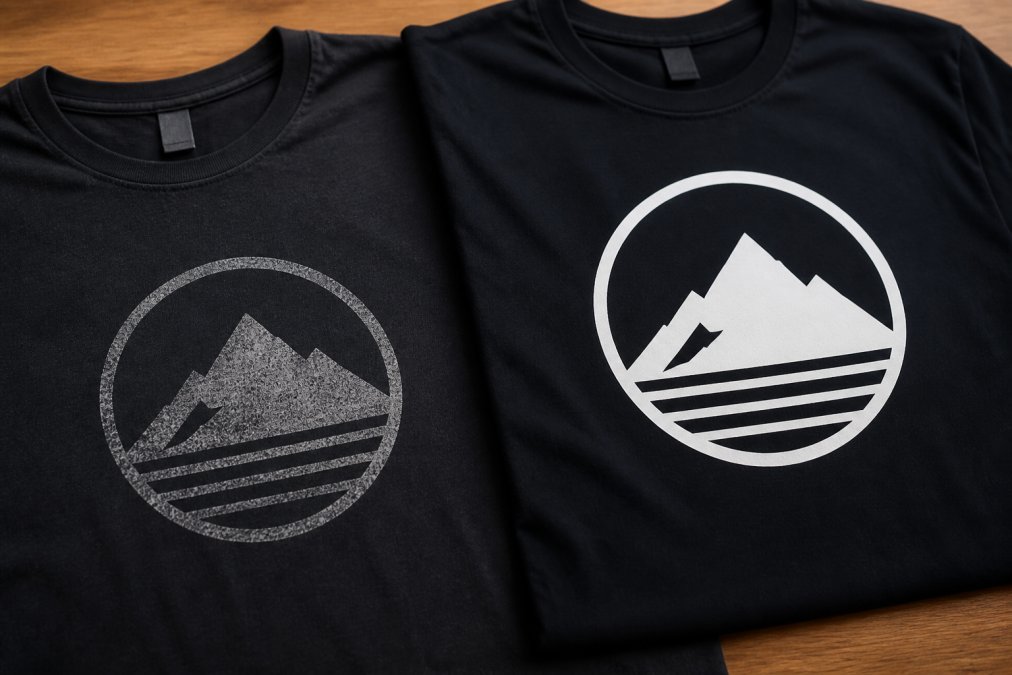
Most people assume a faded logo means cheap printing. In reality, the damage usually happens in the laundry room, not at the print shop. Preventing logo fading on apparel comes down to understanding what actually attacks the print: friction, heat, and chemical exposure.
Washing creates friction as garments rub against each other and the drum. Heat softens the plastisol or vinyl used in most prints, making it vulnerable. Detergents containing bleach or optical brighteners break down the pigment bonds that keep colors vivid. Over time, these forces work together to dull your graphics.
The fix isn't expensive. It's a matter of adjusting a few habits.
The three main failure modes are:
- Fading: Color loss from chemical reactions and UV exposure
- Cracking: Surface fractures in the ink film from flexing and heat
- Peeling: Complete separation of the print from the fabric
Each has a different cause, which means each needs a different prevention strategy. The good news is that all three are largely preventable.
How to Wash Screen Printed Shirts Without Damaging the Print
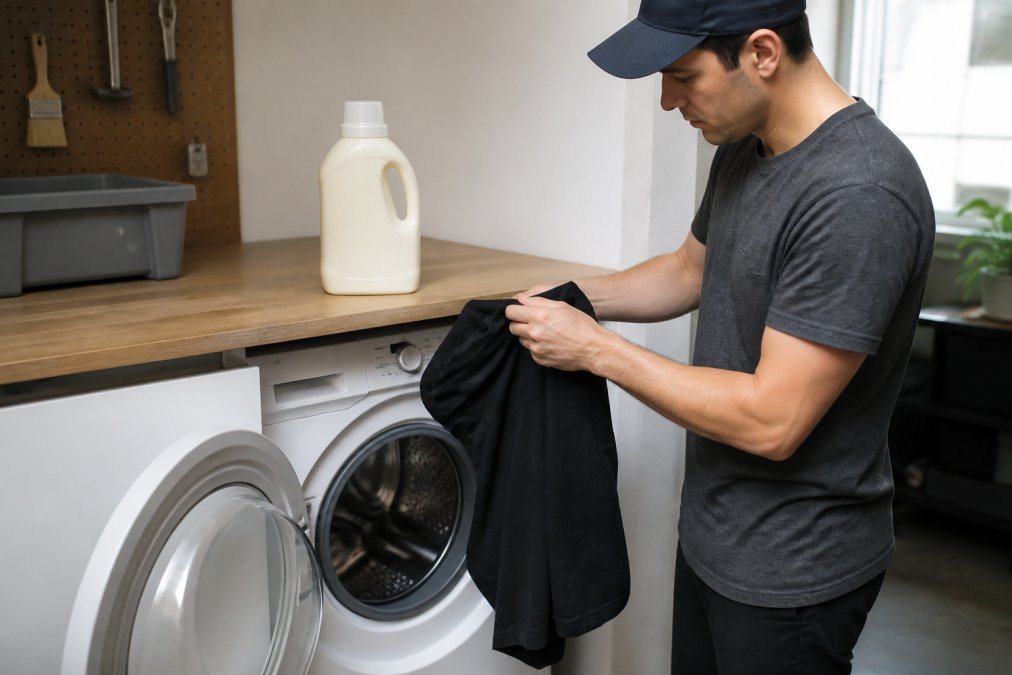
The single most effective habit for preventing logo fading on apparel is turning the garment inside out before washing. This simple step protects the print from direct friction against other clothing and the washer drum. But a truly protective wash routine goes deeper than a single flip. It requires understanding the three forces that degrade prints, abrasion, heat, and chemical exposure, and mitigating each one through your choices.
Follow this wash routine for every printed garment:
- Turn the shirt inside out to shield the graphic from abrasion. This creates a fabric barrier that takes the brunt of the friction against other garments and the drum.
- Use cold water (below 85°F) to prevent heat from softening the ink. Warm or hot water softens the plastisol or vinyl film, making it more pliable and susceptible to abrasion. It also causes the cotton fibers to swell and shrink, which puts stress on the ink film and can lead to micro-cracks that eventually become visible.
- Select a gentle or delicate cycle to reduce agitation. The mechanical action of a normal cycle causes the garment to flex and rub, which is the primary cause of cracking in screen-printed designs. A delicate cycle uses slower spin speeds and shorter wash times, minimizing this stress.
- Use a mild liquid detergent free of bleach, optical brighteners, and enzymes. Powdered detergents can be abrasive and may not fully dissolve in cold water, leaving residue that dulls colors. Optical brighteners are designed to make whites look brighter by absorbing UV light and re-emitting it as blue light; on a colored print, this can cause a subtle but cumulative chemical breakdown of the pigment. Look for detergents labeled "free and clear" or those specifically formulated for dark or delicate fabrics.
- Skip fabric softener on printed garments. Fabric softeners work by depositing a waxy, hydrophobic film on fibers to make them feel softer. This film also coats the print, creating a dull, hazy layer that reduces color vibrancy and can interfere with the ink's flexibility over time.
- Wash with like colors to prevent color bleeding from darker items. This is especially critical for the first few washes of a new garment, as excess dye from the fabric can transfer to lighter prints.
Cold water is essential. Hot water doesn't just fade the print, it can also cause the fabric to shrink, which puts stress on the ink film and leads to cracking. A gentle cycle minimizes the physical stress that causes the print to flex and break down over time.
One high-impact, low-effort tip that most care guides miss: never pour liquid detergent directly onto the print. Concentrated detergent is highly alkaline and contains surfactants that can aggressively attack the ink film's binder. If the detergent sits on the print for even a few minutes before the wash cycle begins, it can cause localized fading or a sticky, tacky residue that attracts dirt. Always add the detergent to the water first, or use the machine's detergent dispenser, so it is diluted before it contacts the garment.
Drying Custom Apparel Best Practices for Preventing Logo Fading
Air drying is the gold standard for preserving custom apparel. The heat from a tumble dryer is one of the most aggressive threats to a printed logo, softening the ink and accelerating both fading and cracking.
If you have space, hang garments to dry in a shaded area. Direct sunlight is another culprit, as UV rays break down the pigments in the ink over time. Drying custom apparel best practices start with keeping printed items away from both heat sources.
When air drying isn't practical, follow these dryer rules:
- Use the lowest heat setting or "air fluff" with no heat
- Turn the garment inside out before drying to add a barrier of fabric
- Remove the shirt while still slightly damp and finish drying flat
- Never dry printed apparel with heavy items like jeans or towels that create friction
Ironing and Storage: What Preserves Your Logo
Ironing is where many people accidentally ruin a good print. Direct contact with a hot iron plate melts vinyl transfers and scorches screen-printed ink. The golden rule is simple: never iron directly on the graphic.
When your shirt needs pressing, follow these steps:
- Iron the garment inside out so the print never touches the plate
- Use a low to medium heat setting appropriate for the fabric
- Place a pressing cloth over the print if you must iron the front
- Avoid steam directly on the print, as moisture combined with heat accelerates ink breakdown
Storage matters just as much as washing. Fold printed shirts rather than hanging them on wire hangers, which can create pressure creases that crack the ink over time. Store in a cool, dark drawer or closet, and keep garments out of direct sunlight for extended periods.
Proper storage also prevents a less obvious problem: prints sticking together. Freshly printed or warm garments stacked tightly can cause the ink to transfer or stick. Give prints time to fully cure before folding and stacking.
Print-Specific Care: Screen Print vs. Vinyl vs. DTG
Not all prints respond to care the same way. Understanding the difference between the three main printing methods helps you adjust your routine to match the garment.
Screen printing uses thick layers of plastisol ink that sit on top of the fabric. These prints are durable but prone to cracking when flexed repeatedly. They handle washing well as long as you use cold water and skip the dryer.
Vinyl transfers (heat transfer vinyl) are essentially a plastic film bonded to the shirt. They are the most vulnerable to heat damage. A hot dryer or iron can cause the vinyl to shrink, curl at the edges, or peel away entirely. Treat vinyl prints with extra caution around any heat source.
Direct to garment (DTG) printing embeds ink into the fabric fibers rather than laying on top. These prints feel softer and are less prone to cracking, but the ink can fade faster with repeated washing since it sits closer to the fiber surface.
| Print Type | Main Vulnerability | Key Care Rule | Expected Lifespan |
|---|---|---|---|
| Screen Print | Cracking from flexing | Cold water, low heat drying | Longest with proper care |
| Vinyl Transfer | Heat damage and peeling | Never iron, low dryer heat | Shorter, edge lifting risk |
| DTG | Fading from washing | Gentle cycle, air dry preferred | Good, softer feel |
The common thread across all three: cold water, gentle handling, and minimal heat will extend the life of any print.
How to Fix Cracked Shirt Print Before It Gets Worse
Once a print starts cracking, you can't fully restore it. But you can stop the damage from spreading and extend the life of the garment.
The first step is to address the cause. Cracks usually come from heat exposure or excessive flexing, so adjust your washing and drying routine immediately.
For minor surface cracks, apply a thin layer of textile medium or clear fabric paint over the cracked area. This fills the gaps and creates a flexible barrier that prevents the cracks from deepening. Let it dry completely before wearing or washing.
For vinyl prints with peeling edges, a small amount of fabric glue applied with a toothpick can re-adhere the lifting corners. Press firmly and let it cure for 24 hours before handling.
When a print is beyond repair, consider it a learning opportunity. If you're ordering a replacement, ask your printer about upgrading to a more durable method for your specific use case. Heavy-duty workwear, for example, often benefits from screen printing over DTG.
Common Laundry Mistakes That Ruin Custom Apparel
Several everyday habits quietly destroy printed garments. Recognizing these mistakes is the first step toward preventing logo fading on apparel.
Using hot water is the most common error. Hot water softens the ink, making it more susceptible to abrasion and chemical damage. It also causes fabric shrinkage, which stresses the print.
Overloading the washer increases friction. When you cram too many items into a load, garments rub against each other with more force, accelerating wear on the print surface.
Using the wrong detergent causes chemical damage. Many mainstream detergents contain optical brighteners and enzymes designed for stain removal that also break down ink pigments. Choose a detergent labeled "free and clear" for printed garments.
Ignoring the care label is a recipe for disaster. Manufacturers put specific instructions on the tag for a reason, and those instructions account for the print type and fabric blend.
Conclusion
Preventing logo fading on apparel isn't complicated, but it requires consistency. Turn garments inside out, wash in cold water with mild detergent, and keep printed items away from heat sources. These habits will keep your branded apparel looking sharp through dozens of washes.
When you're ready to order custom apparel that's built to last, the team at Logo Concepts & Printing brings over 25 years of printing experience to your project. Our in-house graphic designers help you choose the right print method for your needs, and we mock up every order before production so you know exactly what you're getting. American Cleaning Institute garment care guidelines support what we tell every customer: care starts with the right wash routine. FTC textile care labeling rules require manufacturers to provide accurate care instructions, so always check the tag. EPA Safer Choice detergent guidance can help you pick a detergent that won't harm your prints.
Get started with Logo Concepts & Printing and order apparel that survives the laundry room. Contact us today for a quote on your next custom apparel run.
Frequently Asked Questions
Does turning shirts inside out help prevent fading?
Yes. Turning apparel inside out before washing is one of the most effective steps for preventing logo fading. This simple action reduces fabric friction against other garments and the drum, which rubs the printed surface. It also limits direct exposure to detergents and dyes in the wash water. Make it a habit for every load containing custom apparel, and you will noticeably extend the life of the logo.
Can heat from the dryer damage custom logos?
It can. High heat from a tumble dryer is a primary cause of cracking and peeling in screen printed and vinyl logos. The heat breaks down the plasticizers in the print, making it brittle. Air drying is the safest method for garment longevity. If you must use a dryer, select the lowest heat or air-fluff setting and remove the garments while they are still slightly damp.
How to prevent logo from peeling off shirt?
Preventing peeling starts with proper washing and drying. Always wash custom apparel inside out in cold water on a gentle cycle. Skip the dryer entirely and lay the shirt flat to air dry. Avoid using fabric softener, as it leaves a residue that can weaken the adhesive bond of the print. Following these steps minimizes stress on the logo and keeps it attached to the fabric.
What is the best way to wash screen-printed shirts?
The best way to wash screen printed shirts is to turn them inside out, use cold water, and select a gentle cycle. Use a mild detergent and skip bleach and fabric softeners. Wash similar colors together to prevent color bleeding. After the cycle ends, promptly remove the shirts and lay them flat to air dry. This routine protects both the fabric fibers and the integrity of the print.