 blog
blog
5 Luxury Corporate Gifts for Wealth Management Clients
Table of Contents
- Why Luxury Corporate Gifts Matter in Wealth Management
- Understanding Wealth Management Client Gifts and Their Purpose
- Five Luxury Corporate Gift Ideas That Impress
- Personalized Corporate Gifts That Strengthen Client Relationships
- Corporate Gift Etiquette for Financial Advisors
- Setting Your Corporate Gift Budget for Clients
- Compliance, Privacy, and Delivery Considerations
- Frequently Asked Questions
Last Updated: October 12, 2026
Why Luxury Corporate Gifts Matter in Wealth Management
Building lasting client relationships in wealth management goes beyond quarterly statements. The right luxury corporate gift signals respect and appreciation, showing a high-net-worth client you understand their preferences and lifestyle.
At Logo Concepts & Printing, we've worked with businesses for over 25 years and understand how thoughtful gifting strengthens client retention.
The challenge is finding a gift that resonates with clients who already have access to nearly everything. Personalization, quality, and strategic selection are critical.
Understanding Wealth Management Client Gifts and Their Purpose
Wealth management client gifts serve a distinct purpose. Your clients have significant resources and refined tastes, so a generic branded mug won't impress someone managing millions. Luxury corporate gifts for wealth management clients should reflect sophistication, exclusivity, and thoughtfulness.
The primary goal is to reinforce the relationship.
Luxury corporate gifts also create positive associations, increase referrals, and help you stand out, a memorable gift can keep a client for decades rather than losing them when markets shift.
Five Luxury Corporate Gift Ideas That Impress
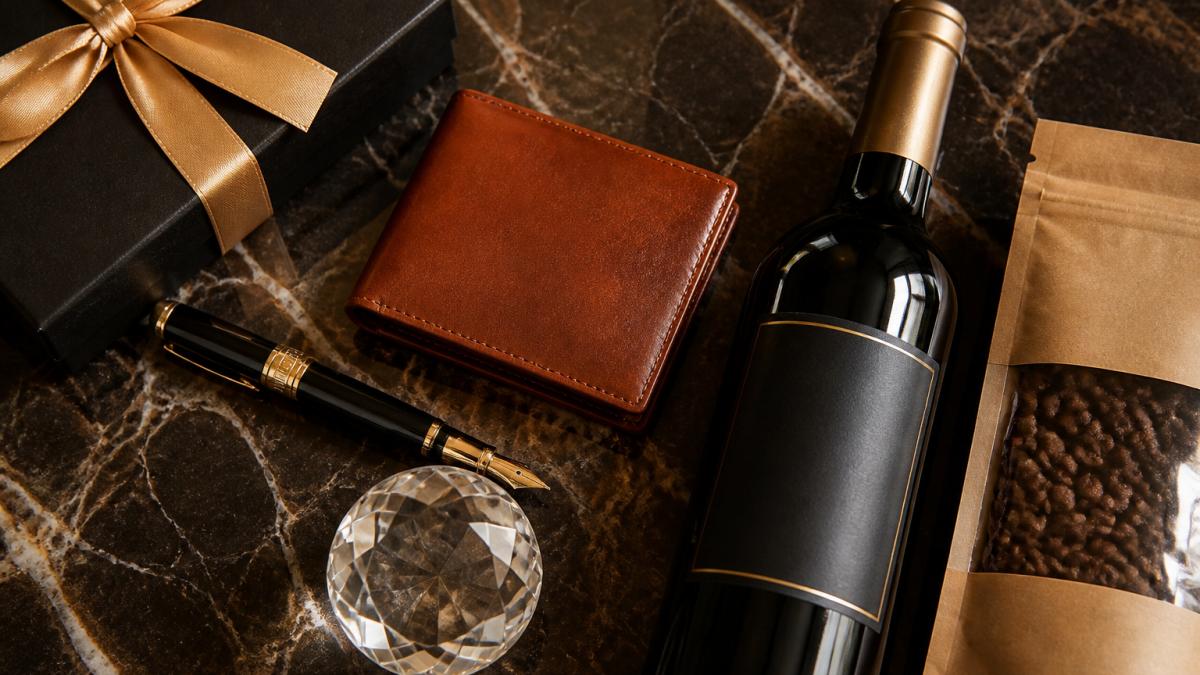
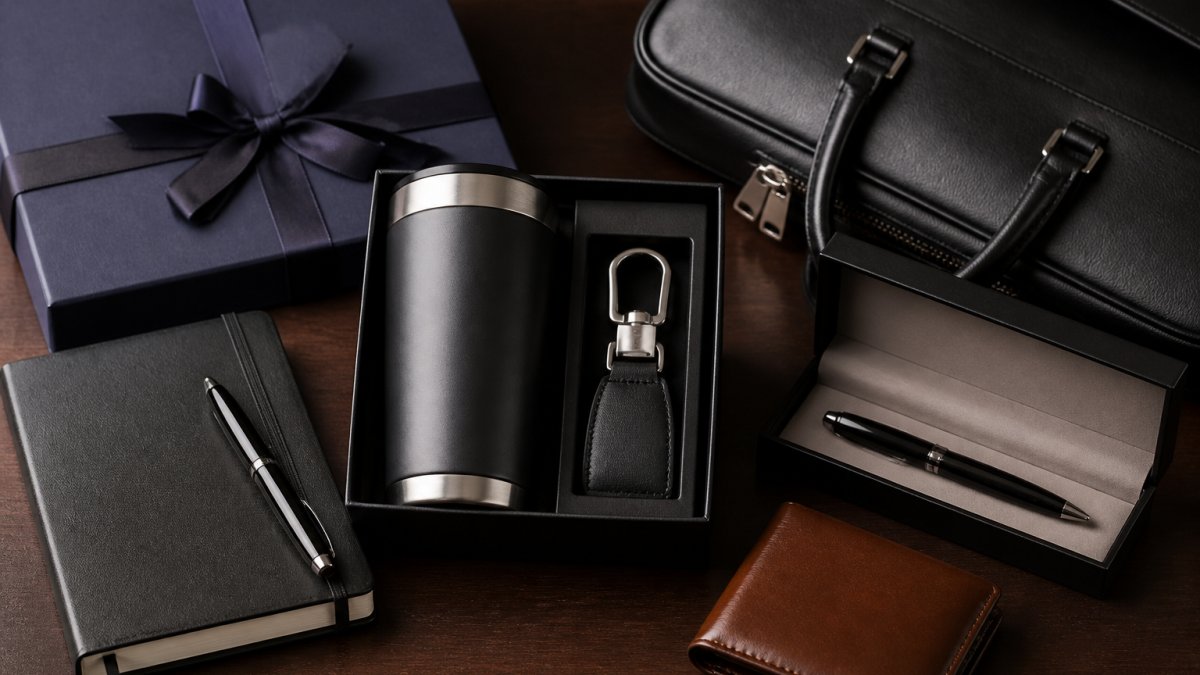
The most effective luxury corporate gifts balance sophistication with practicality, items clients will actually use or display. Here are five categories that consistently impress wealth management clients, each paired with the suitability question to answer before you buy.
Premium Leather Accessories and Executive Desk Items
Leather goods represent timeless sophistication. A high-quality portfolio, business card holder, or desk organizer appeals to executives who appreciate craftsmanship and durability.
Executive desk items like leather desk pads, pen holders, or document trays work well because clients see them daily, reminding them of your firm. Engraved initials or a discreet monogram make them uniquely theirs.
Suitability check: Leather is a safe default, but confirm two things first.
What separates a $40 wallet from a $400 one: full-grain versus bonded leather, hand-stitched versus machine-stitched edges, and whether the maker offers a repair service. A repair guarantee tells the client the item is meant to last.
Fine Wine and Spirits Collections
Wine and premium spirits remain among the most appreciated luxury corporate gifts.
Consider your client's known preferences: a client who mentions Bordeaux or single-malt scotch will be impressed by a thoughtful selection in that category.
Presentation matters. A premium bottle in elegant packaging with a personalized note makes the unboxing feel special and intentional.
Suitability check: This is the category most likely to backfire. Many clients abstain from alcohol for religious, health, recovery, or personal reasons, and you may not know.
Non-alcoholic alternatives that still feel luxurious: small-batch sparkling tea, single-origin cold brew concentrate, a premium olive oil and vinegar pairing, or a curated coffee flight.
Personalized Engraved Writing Instruments
A high-quality pen is both practical and symbolic, professionals use one regularly, and an engraved writing instrument becomes a keepsake.
Engraving elevates the gift significantly.
Suitability check: Pens are the most universally safe luxury gift, no dietary, religious, or lifestyle conflicts. The main variables are weight and mechanism.
Engraving trade-off: A full name is formal and safe; initials are discreet and travel well; a date (a milestone anniversary) is the most personal but also the most likely to be misread.
Gourmet and Artisanal Gift Sets
Curated gourmet gift sets appeal to clients who appreciate quality food and beverage experiences, artisanal chocolates, premium coffee, specialty teas, or gourmet snacks.
Gourmet sets allow personalization through curation, assemble a collection around your client's tastes, or select from established luxury food brands. High-end packaging elevates perceived value and shows your firm's sophistication.
These gifts are particularly effective for clients who already own most material things: the focus shifts to experience rather than ownership.
Suitability check: Food is personal.
Shelf-stable beats perishable: A box of chocolates that arrives melted in July is worse than a tin of tea that arrives perfect in any season.
Exclusive Experiences and Lifestyle Gifts
Some of the most memorable gifts aren't objects at all, they're experiences.
Lifestyle gifts show you understand your client's interests and invested time finding something special, strengthening the relationship through shared enjoyment.
The challenge is alignment: a golf outing works beautifully for a client who golfs and falls flat for someone who doesn't. Do your research before committing.
Suitability check: Experiences carry the highest compliance and privacy risk of the five categories.
Accessibility note: Not every client can attend a standing-room concert, a walking tour, or a stadium suite.
Personalized Corporate Gifts That Strengthen Client Relationships
Personalization transforms a good gift into a great one.
The most effective personalization connects to something you know about the client, a favorite wine region, a passion for golf, a preference for minimalist design.
Logo Concepts & Printing specializes in customization across a vast selection of thousands of customizable items. From engraved executive accessories to custom-branded premium items, personalization is where relationship-building becomes tangible.
Presentation matters too: a luxury corporate gift should arrive in premium packaging that reflects the value inside, with a personalized note explaining why you chose it for this client.
Corporate Gift Etiquette for Financial Advisors
Proper gifting etiquette protects your firm and ensures your gesture is received as intended. Different clients and situations call for different approaches.
First, understand your firm's gift policies. Many advisory firms have guidelines on gift value, acceptable types, and documentation. Always verify what your firm allows before purchasing.
Second, consider the relationship and context.
Third, timing matters. The most appropriate times are year-end, after successful portfolio performance, or during relationship milestones.
Document your gifting: keep records of what you gave, to whom, and when. This protects you and your firm and ensures regulatory compliance.
Setting Your Corporate Gift Budget for Clients
A clear budget prevents overspending and ensures consistency. It should reflect your firm's resources, client tier structure, and relationship-building strategy. What most gifting guides leave open is the mechanics: what a tier looks like, the true all-in cost, and how to keep the program defensible at tax time.
A tiered framework you can adapt
Most advisory practices find a three-tier structure keeps gifting consistent. The tiers below are a framework, not a prescription, set the dollar figures to match your firm's size, client base, and compliance team's approval.
- Tier 1, Relationship maintenance. For the broad base of active clients. A single well-chosen consumable or modest personalized item. The goal is recognition, not impressiveness. Keep the per-client cost low enough to gift the whole tier without a budget conversation.
- Tier 2, Key relationships. For clients with significant assets under management or long tenure. A personalized item from the leather, pen, or gourmet categories, with premium packaging. This is where engraving and curation earn their cost.
- Tier 3, Milestone and top-tier. For relationship anniversaries, major life events, or your most significant clients. An experience or high-end personalized item. Because per-client cost is highest here, this tier should be the smallest and most carefully documented.
A common pattern: reserve Tier 3 for a handful of clients and let Tier 1 absorb the volume, keeping average cost per client down while concentrating memorable gifts where the relationship justifies them.
The all-in cost, not the sticker price
The gift is rarely the whole cost. Budget for four line items:
- The item itself.
- Personalization. Engraving, monogramming, or custom packaging usually adds a per-unit charge, and rush turnaround adds more.
- Packaging and presentation. A premium box, tissue, ribbon, and printed note card are a real per-gift cost, and they are what the client sees first.
- Delivery. Secure, tracked shipping to a home or office, plus the labor of confirming addresses and timing. Discreet delivery to a high-net-worth client can cost more than standard shipping and is worth it.
Compare gift options on all-in cost: a cheaper item with expensive personalization can cost more than a premium item that ships in its own presentation box.
Tax treatment and documentation
Business gifts are generally subject to annual deduction limits per recipient, and the rules distinguish gifts from other business expenses (Income & Expenses 8). Confirm the current figure with your accountant rather than relying on memory. Keep a simple log for every gift: recipient, date, item, all-in cost, business purpose, and compliance approval. That log makes the program defensible at tax time and during any review.
Keeping the program consistent
Two habits keep a gifting budget from drifting:
- Set the tier before you shop, not after. Decide the tier from the client's relationship value and tenure, then choose a gift that fits. Shopping first and justifying the cost later is how budgets slip.
- Review the program annually. Client relationships change. A client who moved from Tier 1 to Tier 2 should be re-tiered deliberately, and a lapsed client should be removed rather than gifted by inertia.
When working with a promotional products partner, ask for all-in quotes that include personalization, packaging, and delivery, not unit price alone. That single change makes the budget comparable across vendors and gift categories.
Compliance, Privacy, and Delivery Considerations
Gifting high-net-worth clients requires attention to compliance, privacy, and logistics, protecting both your firm and your clients.
On compliance, understand the regulations governing your industry. Advisory firms operate under specific rules about client gifts, and the SEC and FINRA have guidance on appropriate practices (Gifts, Gratuities and Non-Cash Compensation).
Privacy is paramount. Ensure delivery methods protect client privacy, some prefer discreet office delivery, others home delivery.
Be mindful of gift values: extremely expensive gifts can create discomfort or raise questions about appropriateness.
Delivery logistics matter: gifts must arrive in perfect condition, on time, and professionally presented.
Building strong client relationships in wealth management requires consistent attention and genuine appreciation.
The most successful wealth managers treat corporate gifting as part of a broader relationship strategy.
Logo Concepts & Printing can help you execute this strategy.
Frequently Asked Questions
What makes a corporate gift feel luxurious and personal for wealth management clients?
Luxury corporate gifts combine premium materials, thoughtful personalization, and exclusivity. Engraving a client's initials on a leather portfolio or custom-selecting a wine from their preferred region shows you understand their preferences. The key is balancing sophistication with relevance to their lifestyle, high-net-worth clients notice quality craftsmanship and appreciate gifts that reflect their professional standing. Presentation matters equally; premium packaging and discrete delivery reinforce the sense of exclusivity.
How much should a wealth management firm spend on a corporate gift budget for clients?
Corporate gift budgets vary based on client tier and relationship depth. Set your budget based on firm policy, client lifetime value, and regulatory guidelines. Pricing depends on quantity, customization, and delivery timeline. Contact us today to discuss creating tiered gifting strategies that fit your budget.
What should wealth management firms avoid when choosing gifts for financial clients?
Avoid generic, overly branded merchandise that feels transactional. Skip gifts tied to specific political or religious beliefs unless you know the client's preferences. Never give cash or cash equivalents, which create compliance complications. Avoid items that seem impersonal or cheap, as they undermine relationship-building. Don't overlook cultural or dietary considerations, for example, alcohol gifts may not suit all clients. Finally, steer clear of gifts that could be perceived as inappropriate or too intimate, and always check your firm's gift policy and compliance requirements.
How can personalized corporate gifts help with client retention in wealth management?
Personalized corporate gifts demonstrate that you value individual clients beyond transactions. Custom engraving, monogramming, or selecting items aligned with a client's known interests create memorable touchpoints that strengthen emotional connection. These gestures signal attention to detail and long-term relationship investment, making clients feel valued rather than treated as account numbers. Strategic gifting at key milestones, anniversaries, portfolio milestones, or life events, reinforces your firm's commitment and can meaningfully improve client retention and referral rates.