 how-to
Can You Fix a Melted Screen Print?
Last Updated: October 24, 2026
Quick Summary
No, you cannot truly fix a melted screen print. Once the plastisol ink has melted, the damage is permanent and the garment's print cannot be restored to its original condition.
- Plastisol ink begins to soften around 140 degrees Fahrenheit and becomes fully compromised above 160 degrees
- A single high heat dryer cycle can permanently damage a screen print
- Your options are accepting the damaged appearance, removing the print entirely, or replacing the garment
- Prevent melting by always drying screen-printed apparel on low heat or air-drying
- A cracked print is different from a melted one and may be repairable with fabric paint
Table of Contents
- What Happens When a Screen Print Melts
- Can You Actually Fix a Melted Screen Print?
- Screen-Print Ink Melted in Dryer: Why It Happens
- How to Fix a Cracked Screen Print
- How to Remove Screen-Print Ink From a Shirt
- Screen-Print Care Instructions to Prevent Damage
- When to Replace a Melted Screen Print
- Get Quality Screen Printing You Can Protect
- Frequently Asked Questions
What Happens When a Screen Print Melts
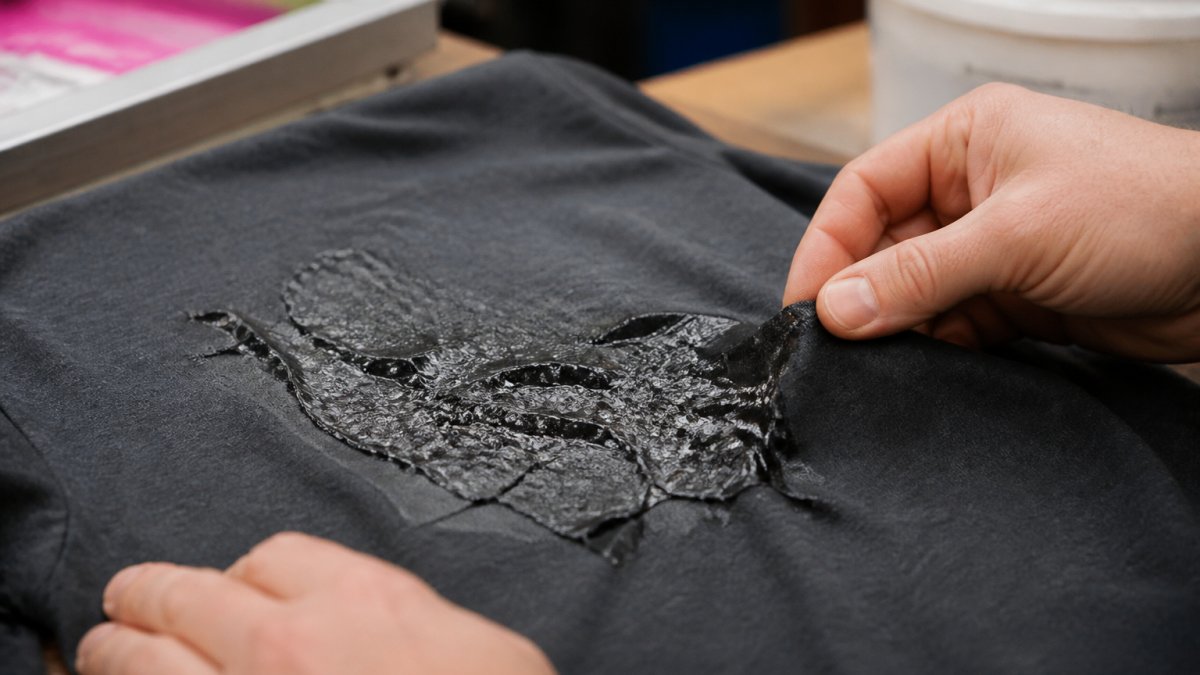
A melted screen print occurs when ink on a garment reaches temperatures high enough to soften or fuse the plastisol film. This typically happens in a dryer, but can also occur from direct heat exposure like sunlight or pressing. The ink doesn't just fade or crack, it fundamentally changes form.
When plastisol ink melts, the polymers break down. The print loses its structure. What was once a vibrant design becomes a sticky, warped mess that clings to the fabric in unpredictable ways.
The damage is immediate and visible. You'll notice:
- Ink bleeding into surrounding fabric areas
- Loss of sharp edges and fine details
- A glossy, plastic-like appearance where the print bunches up
- Possible sticking or adhesion to other garments in the dryer
Once melting occurs, the garment is almost always compromised. The plastisol film has fundamentally changed at the molecular level. This is different from a cracked print, which may be repairable through certain techniques.
Can You Actually Fix a Melted Screen Print?
The short answer: no, you cannot truly fix a melted screen print. Once the plastisol ink has melted, the damage is permanent.
According to industry experts, when the plastisol film has cracked or melted, the break cannot be reversed to its original condition. You might be able to hide the damage temporarily, but restoration to the original state is not possible.
This is a critical distinction. Many people confuse a melted print with a cracked print and assume the same repair methods apply. They don't.
Your options at this point are limited:
- Accept the damaged appearance and wear the garment as-is
- Remove the damaged print entirely and start fresh
- Replace the garment with a new one
If the garment has sentimental value, removal might be worth exploring. For everything else, replacement is usually the most practical choice.
Screen-Print Ink Melted in Dryer: Why It Happens
Dryer heat is the most common culprit behind melted screen prints. Most household dryers run between 120 and 160 degrees Fahrenheit on a standard cycle. Plastisol ink begins to soften around 140 degrees and becomes fully compromised at temperatures above 160 degrees.
The problem escalates quickly. A single cycle on high heat can permanently damage a print. Extended drying times make it worse.
Why does this happen so easily?
- High heat cycles: Many people use the hottest dryer setting to speed up drying. Screen-printed apparel needs low heat.
- Overdrying: Leaving garments in the dryer longer than necessary exposes them to sustained heat damage.
- Wet garments: Wet fabrics retain heat longer inside the dryer, increasing the risk of ink breakdown.
- Dryer age: Older dryers often run hotter than their settings indicate.
Screen-printed garments should always be dried on low heat or air-dried. The ink is durable against normal wear and washing, but heat is its enemy.
Plastisol ink is vulnerable to heat damage at specific temperature thresholds.
| Temperature | Effect on Plastisol Ink |
|---|---|
| 120-160°F | Standard household dryer range |
| Around 140°F | Ink begins to soften |
| Above 160°F | Ink becomes fully compromised |
| Single high heat cycle | Permanent damage possible |
How to Fix a Cracked Screen Print
A cracked screen print is different from a melted one. Cracks appear as lines running through the design, usually from repeated flexing or folding. While you cannot restore the print to perfect condition, you can minimize the appearance of cracks.
Patch the crack with fabric paint:
Fabric paint designed for apparel can fill in visible cracks and prevent them from spreading. The repair won't be invisible, but it stops the damage from getting worse.
Steps to patch a cracked print:
- Clean the area around the crack with a damp cloth and let it dry completely
- Apply fabric paint along the crack using a small brush
- Feather the edges to blend the paint with the existing print
- Let the paint cure according to product instructions (usually 24 hours)
- Wash carefully on cold, gentle cycle to test durability
Reinforce with fabric glue:
For cracks that are pulling apart, fabric glue can help hold the print together. Apply glue under the cracked area and press firmly. This prevents the crack from widening during wear and washing.
Accept the aesthetic:
Not every crack needs fixing. Many people wear screen-printed garments with visible cracks and accept them as part of the garment's history. If the print is still readable and the garment is comfortable, wearing it as-is is a valid choice.
How to Remove Screen-Print Ink From a Shirt
If a print is damaged beyond wearing, removal might be your best option. Complete removal is difficult, but several methods can significantly reduce or eliminate the print.
Heat and peel method:
Apply heat to soften the ink, then carefully peel it away. This works best on prints that are already partially damaged.
- Heat the print with a heat gun or iron on medium setting for 30-60 seconds
- Start at one edge and carefully peel the softened ink away
- Work slowly to avoid tearing the fabric
- Repeat as needed for stubborn areas
- Use rubbing alcohol on a cloth to remove residual ink
Chemical solvent approach:
Certain solvents can break down plastisol ink. Acetone (found in some nail polish removers) or mineral spirits can dissolve the ink, though these are harsh chemicals.
- Test on a hidden area first to ensure the solvent doesn't damage the fabric
- Apply solvent to the print and let it sit for 5-10 minutes
- Scrub gently with a soft brush
- Rinse thoroughly with water
Professional removal:
Some dry cleaners or custom apparel shops offer print removal services. They have industrial equipment and expertise to remove prints more effectively than home methods. This is the safest option if you want to preserve the garment.
Screen-Print Care Instructions to Prevent Damage
The best approach to melted screen prints is preventing them in the first place. Proper care keeps prints vibrant and intact for years. Learn how to prevent screen print peeling, a related damage issue that can occur with improper handling.
Washing guidelines:
- Wash inside out to minimize friction on the print
- Use cold water on a gentle cycle
- Avoid bleach and harsh detergents
- Wash with similar colors to prevent dye transfer
- Air dry or use low heat only
Drying best practices:
- Never use high heat on screen-printed apparel
- Air dry whenever possible by hanging or laying flat
- If using a dryer, select low heat and remove garments promptly
- Don't overdry, take items out while slightly damp
Storage and handling:
- Store printed garments flat or folded loosely to avoid creasing the print
- Avoid prolonged direct sunlight, which can fade ink over time
- Keep away from heat sources like radiators or vents
- Fold along the sides rather than across the print design
First wash care:
- Wash new screen-printed items separately for the first wear
- Use cold water to set the ink properly
- Skip the dryer entirely for the first wash if possible
The quality of the initial print matters, but how you care for it determines how long it lasts.
When to Replace a Melted Screen Print
Sometimes the best decision is simply to replace the garment. Knowing when to let go saves time and frustration.
Replace the garment when:
- The print covers a large portion of the shirt and removal isn't practical
- The garment is inexpensive and replacement costs less than professional removal
- Multiple prints on the same item are damaged
- The fabric itself is worn or damaged alongside the print
- You need the item quickly and repairs would take weeks
Replacement is especially practical for branded team apparel or promotional merchandise. If you ordered custom shirts for your team and several arrived with damaged prints, replacement ensures everyone has a quality garment.
The cost of replacement depends on quantity and customization. Contact a custom apparel provider to discuss replacement options and timelines for your specific situation.
Get Quality Screen Printing You Can Protect
A melted screen print cannot be restored to its original condition. The damage is permanent once the plastisol ink reaches high temperatures. Your realistic options are accepting the damaged appearance, attempting removal, or replacing the garment entirely.
The real solution is prevention. Proper drying on low heat, careful washing, and thoughtful storage protect screen-printed apparel for years. Most damage happens in the dryer or through careless handling, not from normal wear.
When you invest in quality screen printing from the start, protecting that investment becomes worthwhile. Logo Concepts & Printing delivers custom apparel with durable, vibrant prints backed by 25 years of industry expertise. Our in-house design team ensures your vision is executed perfectly.
Frequently Asked Questions
Can you fix a melted screen print on a shirt?
Once plastisol screen-print ink has melted, the damage is permanent and cannot be truly repaired. The ink bonds irreversibly to the fabric fibers at high temperatures. While cosmetic methods like fabric paint or patches might hide the damage temporarily, they don't restore the original print. Replacement is usually the most practical solution for business apparel.
What causes screen-print ink to melt in a dryer?
Screen prints melt when exposed to high heat. Commercial dryers, prolonged exposure to direct heat, or pressing with an iron at high temperatures can easily cause melting. Always use low heat or air-dry screen-printed apparel.
How do you prevent screen prints from melting?
Follow these care steps: wash in cold water inside-out, use gentle or delicate cycles, air-dry or use low heat only, avoid direct iron contact on the print (iron the back instead), and keep away from direct heat sources. These screen-print care instructions extend the life of your branded apparel significantly and protect your investment in quality prints.
How can you remove screen-print ink from a shirt?
Complete removal is difficult without damaging the fabric. You can try rubbing alcohol on a small area, acetone for stubborn ink, or commercial ink removers, but these may weaken or discolor the fabric. If removal fails, consider the shirt a learning opportunity and reorder with proper care instructions for your team.
Quality screen-printed apparel protects your brand's image. Contact us today to discuss your custom apparel needs, and we'll ensure your prints are built to last with care instructions tailored to your team's workflow.