 blog
How to Decide if Bamboo Apparel Is Worth the Investment
Last Updated: November 1, 2026
Quick Summary
Bamboo apparel is worth the investment when the garment is worn often, cared for gently, and matched to a use case that plays to the fabric's strengths. It is a weaker investment when it will be washed hot, dried on high, or worn hard in a uniform program. Run a cost-per-wear calculation rather than judging the sticker price alone.
- The global bamboo apparel market sits at roughly USD 2.5 billion in 2026, with forecasts projecting USD 4.1 billion by 2033.
- Bamboo viscose can lose shape, pill, or weaken after repeated washing, so durability is the weak point.
- Wash bamboo in cold water on a gentle cycle and air dry, since heat breaks down the fiber fastest.
- A label reading bamboo viscose tells you the fiber went through a chemical route, not a mechanical one.
- Confirm fiber content and care labels, set a realistic budget per employee, and approve a physical sample before the full run.
Table of Contents
- Why Bamboo Apparel Commands a Price Premium
- Bamboo Clothing Pros and Cons Before You Buy
- Bamboo vs Cotton Clothing: A Direct Comparison
- Bamboo Fabric Durability and What It Means for Cost per Wear
- How to Wash Bamboo Clothes So They Last
- Reading Bamboo Apparel Labels: Fiber, Processing, and Green Claims
- Building a Branded Bamboo Apparel Order for Your Team
- Frequently Asked Questions
Why Bamboo Apparel Commands a Price Premium
Is bamboo apparel worth the investment? For many buyers, the answer comes down to one number: cost per wear. Bamboo clothing costs more at checkout than a basic cotton tee, but the price reflects real material differences. At Logo Concepts & Printing, we see this question often from teams building branded uniform programs.
The global bamboo apparel market sits at roughly USD 2.5 billion in 2026, with forecasts projecting USD 4.1 billion by 2033, according to Persistence Market Research's market forecast. Growth like that does not happen by accident.
So what drives the premium?
- Fiber processing costs. Turning bamboo into soft fabric takes more steps than ginning cotton.
- Smaller supply chains. Fewer mills produce bamboo textiles at scale.
- Brand positioning. Many labels market bamboo as a premium, eco-friendly option.
A Baylor University study on bamboo garment appeal found that shoppers were drawn to bamboo garments' novelty, but only when the price felt right. That tension sits at the heart of every bamboo purchase decision.
Below, we break down the pros, cons, and real-world math so you can decide with clear eyes.
Bamboo Clothing Pros and Cons Before You Buy
Bamboo clothing pros and cons come down to comfort versus care. The fabric feels soft and breathes well, but it needs gentler handling than cotton. Here is the honest breakdown.
The Pros That Justify the Price
Bamboo fabric earns its reputation for comfort. The material is soft against the skin, lightweight, and highly absorbent. It wicks moisture and dries faster than many traditional fabrics.
A 2025 article in the Research Journal of Textile and Apparel on bamboo fabric properties notes that studies show bamboo fabric has thermal-regulating properties. In practice, that means it feels cool in summer and holds warmth in cooler weather.
Other genuine benefits:
- Breathability that suits year-round wear
- Gentle feel that works well for sensitive skin
- Natural stretch with good bounce back
- Renewable source, since bamboo grows fast
The Cons That Can Undercut It
Durability is the weak point. Bamboo viscose can lose shape, pill, or weaken after repeated washing, according to Techpacks' guide to bamboo fabrics. A garment that sags after twenty washes erases the value of the higher price.
Watch out: many products sold as "bamboo" are actually rayon or viscose made through heavy chemical processing. The Federal Trade Commission's guidance on bamboo textiles requires sellers to label these accurately. A label reading "bamboo viscose" tells you the fiber went through a chemical route, not a mechanical one.
Bamboo vs Cotton Clothing: A Direct Comparison
Bamboo vs cotton clothing is not a clean win for either side. Bamboo wins on softness, moisture absorption, and quick drying. Cotton wins on durability, price, and easy care.
| Feature | Bamboo | Cotton |
|---|---|---|
| Softness | Very soft | Soft, firms up over time |
| Breathability | High | Moderate |
| Moisture absorption | High, dries fast | Absorbs well, dries slower |
| Durability | Moderate, can pill | High |
| Shape retention | Can stretch out | Holds shape well |
| Care needs | Gentle cycle, air dry | Machine wash, tumble dry |
| Price | Higher | Lower |
For teams ordering printed apparel, fabric choice also affects how well a logo holds. Readers can explore best fabrics for custom printing before deciding.
Bamboo Fabric Durability and What It Means for Cost per Wear
Bamboo fabric durability is a key factor in whether the price premium pays off. The keyword asks whether bamboo apparel is worth the investment, so the honest answer is a cost-per-wear calculation, not a slogan. The cheaper shirt wins unless the bamboo piece lasts longer, and that depends on fiber type, garment construction, and how you care for it.
Here is how to run the math yourself:
- Divide the purchase price by the number of wears you realistically expect.
- Compare that figure across options, not just the sticker price.
- Add care time, replacement cost, and the likelihood you will actually keep wearing it.
- Recalculate after one season using your real wear count, not the optimistic one.
A Realistic Longevity Framework
Bamboo viscose garments often hold up for a limited number of seasons of regular wear when washed cold and air dried. Heat and agitation are the main enemies: hot water, a hot dryer, and heavy tumbling break down the fiber faster than anything else. A garment that sags or pills after twenty washes erases the value of the higher price.
Use this side-by-side scorecard to compare a bamboo piece against a cotton alternative on consistent criteria:
| Criterion | What to record | Why it matters |
|---|---|---|
| Purchase price | Actual price paid | Sets the numerator of cost per wear |
| Expected wears | Realistic count by use case | Underwear and sleepwear wear differently than outerwear |
| Care burden | Minutes per wash plus drying method | Time is part of the investment |
| Replacement frequency | Seasons before visible decline | Drives long-term spend |
| End of life | Donation, recycling, or trash | Affects total cost and environmental claim |
Performance by Garment and Use Case
A fabric's comfort or durability does not translate equally across uses. Separate the results before you decide:
- Underwear and sleepwear: bamboo's softness and moisture handling shine, and the garment is washed frequently, so longevity matters most.
- Activewear: breathability and quick drying help, but sweat and repeated washing stress the fiber.
- Everyday basics: the cost-per-wear case is strongest when the piece gets worn weekly.
- Uniforms and industrial laundering: bamboo viscose is usually a poor fit because high heat and heavy agitation shorten its life.
Best for: everyday wear, travel, and warm-weather uniforms. Skip if: you need a garment that survives industrial laundering.
How to Wash Bamboo Clothes So They Last
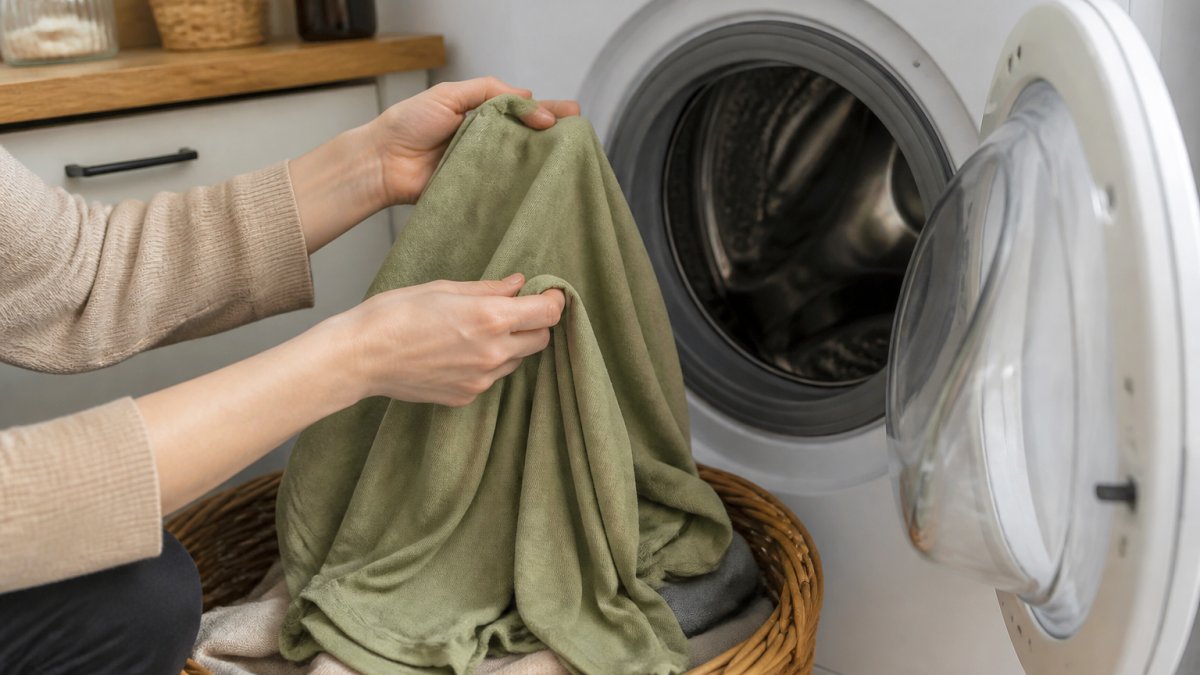
Washing bamboo clothes correctly is simple: cold water, gentle cycle, and air dry. Heat is the enemy. Hot water and a hot dryer break down the fiber faster than anything else.
Follow these steps:
- Turn garments inside out before washing
- Use cold water on a gentle or delicate cycle
- Choose a mild detergent without bleach
- Skip fabric softener, which coats the fibers
- Reshape and lay flat or hang to dry
- Keep printed areas away from direct iron heat
Reading Bamboo Apparel Labels: Fiber, Processing, and Green Claims
Bamboo apparel labels tell you more than the brand name. They reveal the fiber type and the process behind it. That matters because "bamboo" on a tag can mean several different things, and the label is the only reliable place to start.
Look for these terms:
- Bamboo viscose or rayon: chemically processed, most common
- Bamboo lyocell: closed-loop solvent process, less waste
- Mechanically processed bamboo: rare, closer to linen in feel
- Bamboo cotton blend: mixes bamboo softness with cotton durability
What Labels Do and Do Not Establish
The Federal Trade Commission's guidance on bamboo textiles requires sellers to label these fibers accurately. A label reading "bamboo viscose" tells you the fiber went through a chemical route, not a mechanical one. What the label does not tell you is how much energy, water, or solvent the mill used, where the bamboo was grown, or whether the finished garment will pill in three washes. Treat the label as a starting point for fiber identity, not as proof of sustainability or performance.
Processing Determines the Environmental Story
Bamboo grows fast and needs little replanting, which is a genuine resource advantage. But the plant is only part of the lifecycle. The processing route matters more:
- Viscose and rayon routes dissolve bamboo pulp with chemicals and can involve significant energy and water use, with solvent recovery varying by mill.
- Lyocell routes use a closed-loop solvent process that recovers most of the solvent, reducing waste.
- Mechanical processing crushes and rets the plant into fiber with far fewer chemicals, but it is rare and produces a coarser fabric.
A common pattern is that brands emphasize the fast-growing plant while saying little about the mill. Lifecycle assessments generally show that impacts depend on the production method, so ask which process produced the fiber before accepting a green claim.
Green claims deserve scrutiny. A CE-Hub case study on BAM Bamboo Clothing examined how one brand approached circularity in the fashion sector. The lesson: sustainability depends on responsible processing, not the plant alone.
Building a Branded Bamboo Apparel Order for Your Team
A branded bamboo apparel order works best when you plan the budget, the timeline, and the quality checks before you commit. Bamboo costs more per unit, so mistakes are expensive.
Start with these steps:
- Confirm fiber content and care labels before ordering
- Set a realistic budget per employee
- Allow extra lead time for production and delivery
- Approve a physical sample before the full run
Logo Concepts & Printing has over 25 years of industry experience and offers in-house graphic design and campaign development to help teams plan custom apparel. For current pricing and turnaround details, contact us today.
Frequently Asked Questions
Is bamboo clothing worth the higher price?
It depends on how often you wear it. Bamboo apparel often costs more than basic cotton, so the premium pays off when the garment gets regular use and holds its shape through many washes. Check the label first: products sold as bamboo textile are frequently rayon or viscose. Compare price against expected wears, not against the tag alone.
How does bamboo clothing compare with cotton?
Bamboo fabric feels softer and lighter than most cotton and moves moisture away from the skin, which suits sensitive skin and year-round wear. Cotton is easier to predict: it is widely available, washes without much fuss, and holds up to heavy use. Bamboo viscose can pill or lose shape after repeated washing, so cotton often wins on longevity while bamboo wins on comfort.
Is bamboo fabric durable enough for everyday wear?
Bamboo fabric durability varies by how the fiber is processed and how you care for it. Bamboo viscose can stretch, pill, and weaken after repeated washing, especially with heat. Garments washed cold and laid flat to dry keep their shape longer. For daily uniforms or heavy use, ask the supplier about the fabric blend and construction before committing to a large order.
How should you wash bamboo clothes to make them last?
Wash bamboo clothes in cold water on a gentle cycle with a mild detergent, then lay them flat to dry or tumble on low. Skip chlorine bleach and fabric softener, which break down the fiber. Turn printed or embroidered garments inside out to protect the decoration. Following care instructions matters more for bamboo than for cotton because the fiber loses shape faster under heat.
The real question is not whether bamboo costs more. It is whether your team will actually wear it. Get the fiber right, care for it well, and bamboo earns its place in your uniform rotation.
Ready to build a branded bamboo program? Get started with Logo Concepts & Printing and put our design team and production planning to work for your next order. Contact us today for a quote.