 ultimate-guide
Event Branding Campaigns: A 2026 Guide
Table of Contents
- Define Your Event Branding Goals and Target Audience
- Develop Your Visual Identity and Event Messaging
- Build Your Event Marketing Timeline
- Select Marketing Channels and Promotional Strategy
- Bulk Screen Printing for Events: Execution and Quality
- Custom Promotional Products for Events Strategy
- Event Branding Checklist and Measurement Framework
- Frequently Asked Questions
Last Updated: September 19, 2026
Event branding campaigns connect your visual identity, messaging, and promotional channels into a cohesive experience that determines whether attendees remember your brand or forget it within days.
Define Your Event Branding Goals and Target Audience
Before selecting promotional products or designing materials, clarify what your event branding campaigns need to accomplish. Vague objectives lead to scattered execution and wasted budget.
Setting Clear Event Objectives
Your event branding goals should answer three questions: What business outcome matters most? Who needs to remember your brand? What action do you want them to take afterward? Common objectives include building brand awareness, generating qualified leads, strengthening customer relationships, or launching a new product.
Segmenting Your Audience and Building Personas
Segment your audience to tailor messaging and promotional items to what resonates with each group. Identify attendee categories (existing customers, prospects, media) and roles within each. Build 2-4 personas including job title, pain points, success metrics, and vendor preferences. This drives downstream decisions about messaging and promotional products.
Develop Your Visual Identity and Event Messaging
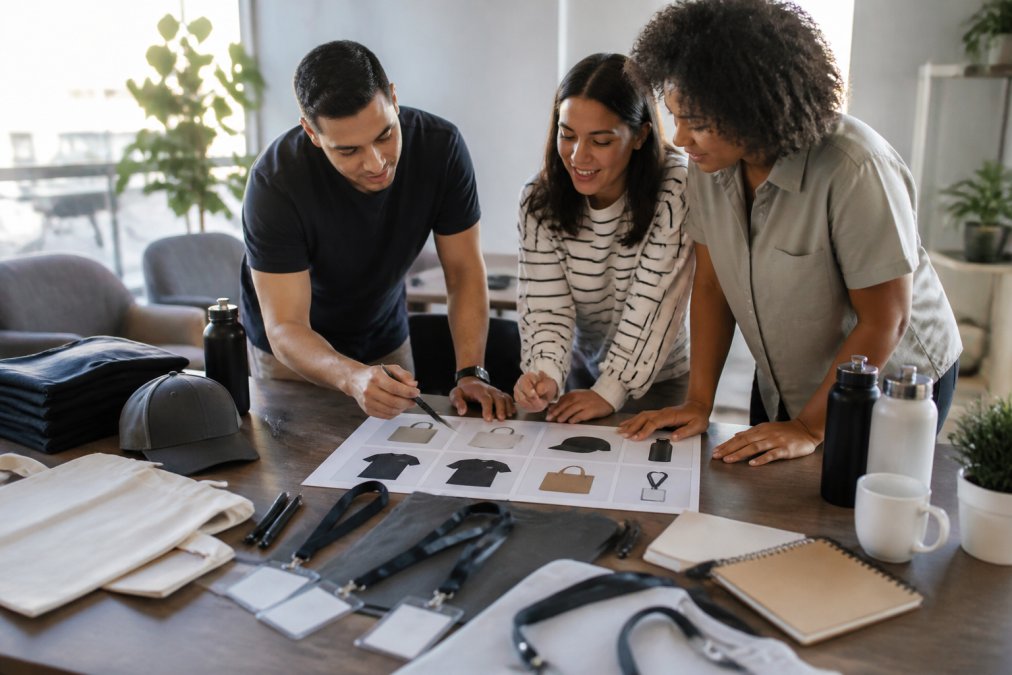
Consistent design across signage, branded apparel, promotional items, and digital materials tells a coherent story about your brand.
Creating a Cohesive Brand Identity for Your Event
Event branding campaigns succeed when every visual touchpoint reinforces the same brand personality through consistent color palette, typography, imagery, and design system. Extend established brand guidelines rather than contradicting them. The key is consistency across all materials.
Crafting Core Event Messaging
Effective event messaging includes a headline capturing the event's core promise, supporting statements addressing attendee pain points, and a clear call to action. Example: "Reduce jobsite incidents by 40% with emerging safety technology" (headline), "Discover tools that protect your crew while improving productivity" (supporting statement), "Register now to secure your spot" (call to action).
Build Your Event Marketing Timeline
A structured promotional timeline reaches your audience at the right moment in their decision-making journey. Most campaigns span 8-12 weeks with distinct phases for awareness, consideration, and conversion.
Pre-Event Promotion Phase
Pre-event promotion begins 8-10 weeks before your event and includes email campaigns, social media announcements, paid advertising, and industry partnerships. Key milestones include announcement launch, early-bird registration deadline, speaker announcements, and final registration push. Sending a small branded item to key prospects 2-3 weeks before the event increases attendance rates.
During-Event Engagement Strategy
On-site engagement happens across registration tables, branded signage, presentations, and booth displays. Branded apparel for staff creates a professional appearance. Distribute promotional products (notebooks, pens, apparel) to attendees, with premium items for VIP guests. Capture attendee information through registration and surveys to feed your post-event follow-up strategy.
Post-Event Retention and Follow-Up
Post-event follow-up determines whether your event generates actual business results. Send thank-you emails within 48 hours with personalized messages. Share photos and key takeaways. Schedule follow-up calls within 5 business days for qualified leads. Send post-event promotional items or exclusive discount codes to deeply engaged attendees to reinforce relationships.
Select Marketing Channels and Promotional Strategy
Select the right mix of channels to reach your target audience where they're most receptive.
Multi-Channel Campaign Approach
Most successful campaigns use 3-5 channels: email (highest ROI for existing audiences), paid social media (targeted new prospects), industry partnerships (credibility), direct outreach, and organic social media. The specific mix depends on your audience and budget. Test channels with small budgets first, then allocate more to top performers.
Using Custom Promotional Products for Brand Consistency
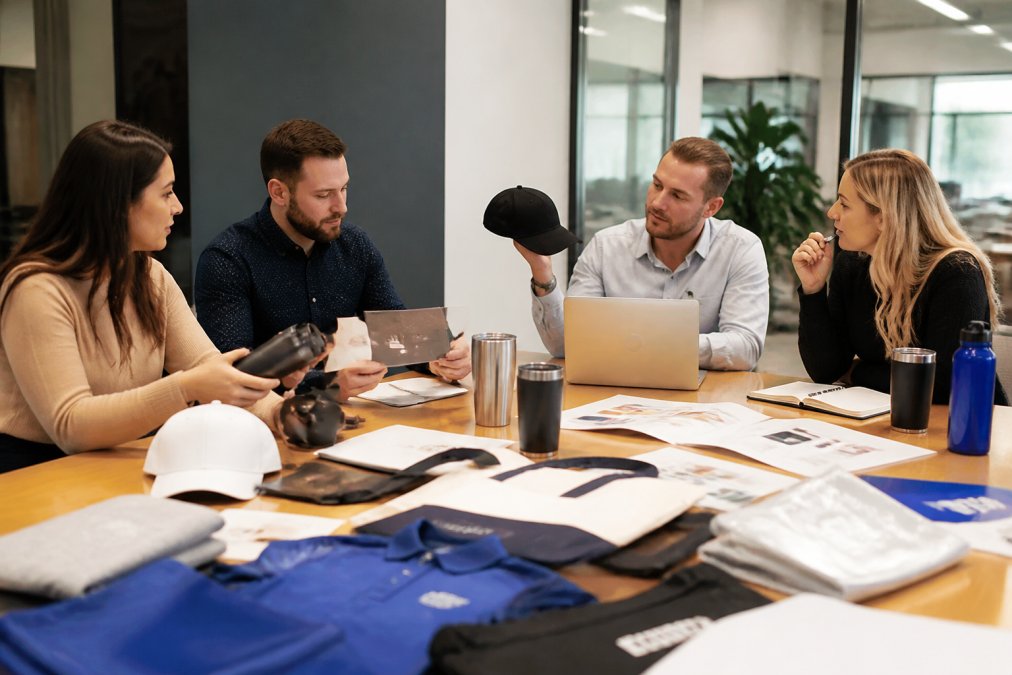
Promotional products create a tangible brand experience that lasts months, unlike digital ads. Select items attendees will actually use: notebooks, pens, apparel, water bottles, or tech accessories. Avoid cheap items that damage brand perception. Align products with your event theme and audience. Ensure quality standards and accurate brand reflection to avoid undermining your entire campaign.
Bulk Screen Printing for Events: Execution and Quality
Bulk screen printing is the most cost-effective and durable method for branded apparel. Understanding quality standards ensures merchandise represents your brand well.
Ensuring Print Quality and Durability
Quality screen printing produces vibrant colors that hold up through multiple washes. Key indicators include color accuracy, ink adhesion, and print clarity. Request samples before committing to large quantities. Durability matters because promotional products represent your brand long after the event. Work with a printing partner who can provide quality guarantees.
Managing Timelines and Rush Orders
Event timelines are often tight. You might decide on promotional products just 4-6 weeks before your event, or face unexpected changes that require expedited production. Understanding typical timelines and rush options helps you plan realistically.
Custom Promotional Products for Events Strategy
Selecting the right promotional products requires balancing cost, usefulness, brand alignment, and attendee preferences. A poor choice wastes budget and creates clutter attendees throw away. A smart choice creates lasting brand recall.
Selecting the Right Products for Your Audience
Start with your audience personas. What items would they actually use? A construction crew needs durable, practical items like work gloves, safety vests, or tool holders. An office-based professional might prefer quality pens, notebooks, or tech accessories. A retail customer might enjoy branded apparel or reusable shopping bags.
Budget Allocation and ROI Planning
Within the promotional products budget, allocate more to items your VIP prospects will receive and less to general attendee items. If you have 500 attendees but only 50 are high-priority prospects, spending more on premium items for those 50 makes sense.
Event Branding Checklist and Measurement Framework
Execution matters less than measurement. Without tracking what worked and what didn't, you repeat mistakes and miss opportunities to improve.
Essential Elements of Your Branding Kit
Your event branding kit should include all materials attendees encounter: printed invitations, email templates, social media graphics, signage (banners, directional signs, booth displays), branded apparel, promotional products, printed handouts or collateral, and follow-up thank-you materials.
| Branding Element | Design Standard | Quality Check | Approval Owner |
|---|---|---|---|
| Email invitations | Brand colors, logo placement, messaging | Spell check, link testing | Marketing lead |
| Social media graphics | Consistent templates, brand fonts | Dimensions, readability | Social manager |
| Event signage | Large-format printing, high contrast | Color accuracy, durability | Event coordinator |
| Branded apparel | Logo placement specs, color match | Print quality, sizing accuracy | Merchandise lead |
| Promotional products | Brand alignment, quality standards | Durability testing, packaging | Procurement lead |
| Printed collateral | Brand guidelines compliance | Print quality, binding | Design lead |
Measuring Success with KPIs and Brand Sentiment
Track attendance numbers and registration rates to measure awareness-building success. A 40% increase in registration compared to your previous event suggests your promotional timeline and messaging resonated.
Frequently Asked Questions
What is the difference between event marketing and event branding?
Event marketing focuses on driving attendance, registrations, and conversions through promotional tactics and messaging. Event branding shapes how your audience perceives and remembers your organization through visual identity, messaging consistency, and emotional connection. Both work together: marketing gets people through the door, while branding ensures they remember and trust you afterward. Strong event branding campaigns combine promotional reach with a distinctive visual identity and consistent messaging across all touchpoints.
How far in advance should you start planning event branding campaigns?
Begin planning your event branding campaign 8-12 weeks before the event date. This timeline allows time to develop your visual identity, create marketing collateral, coordinate with vendors, and execute your promotional strategy across multiple channels. For larger events or those requiring custom promotional products, start 12-16 weeks ahead to account for design approval, production, and quality checks. Smaller events with simpler branding may need only 6-8 weeks, but rushing increases the risk of inconsistent brand execution.
What are the essential elements of an event branding kit?
An event branding kit should include your logo in multiple formats, a defined color palette, typography guidelines, photography style standards, messaging templates, and branded templates for digital and print materials. For events using custom promotional products or bulk screen printing, include specifications for logo placement, sizing, and color variations across different materials. Your kit also needs brand voice guidelines, approved taglines, and examples of correct and incorrect brand usage. This ensures consistency whether your team, designers, or vendors are creating materials.
How do you measure the success of an event branding campaign?
Track both quantitative KPIs and qualitative brand metrics. Measure attendance, lead generation, conversion rates, and social media engagement during the event. Post-event, monitor brand awareness lift through surveys, track website traffic and inquiries from branded materials, and measure customer retention. Beyond numbers, assess brand sentiment through attendee feedback and social listening. Compare pre- and post-event brand perception to gauge emotional impact. ROI can be calculated by attributing revenue generated from event attendees back to your branding investment in promotional products and marketing execution.
What should you include in an event marketing timeline?
Your event marketing timeline should span from initial planning through post-event follow-up. Begin with goal-setting and audience segmentation 8-12 weeks out. Progress through content creation, channel selection, and promotional product ordering 6-8 weeks before the event. Ramp up promotional activity 4-6 weeks prior, then intensify messaging 2-3 weeks before. Plan during-event engagement activities and post-event retention touchpoints. Include specific dates for design approvals, vendor deadlines, promotional material distribution, and follow-up campaigns. A clear timeline ensures all branding elements align and nothing falls through the cracks.
Why is visual identity important for event branding campaigns?
Visual identity is the first thing attendees notice and remember about your event. Consistent logos, colors, typography, and design across all materials, from custom promotional products to digital ads to event signage, creates brand recognition and professionalism. A strong visual identity differentiates your event from competitors and makes attendees more likely to share photos and content on social media. When custom promotional products feature your visual identity, they extend your brand reach beyond the event itself. Without visual consistency, your campaign feels disorganized and dilutes the emotional connection you're trying to build.
How do you ensure quality when ordering bulk screen printing for events?
Request samples or proofs before full production to verify color accuracy, logo placement, and print clarity. Specify thread color, ink type, and garment quality in writing. Work with vendors who offer in-house design review to catch placement issues before printing starts. Ask about their quality control process and durability guarantees, printed items should withstand multiple washes without fading or peeling. Discuss your specific needs upfront so the vendor understands your standards and can deliver promotional products that reflect your brand professionally.