 how-to
How to Choose Durable Work Shirts for Field Staff
Table of Contents
- Why Durability Matters in Work Shirts for Field Staff
- Best Fabric for Work Shirts: Material Selection Guide
- Work Shirt Fabric Comparison: Cotton vs. Polyester and Blends
- Evaluating Durability: What to Look For in Construction
- Fit, Comfort, and Breathability for All-Day Wear
- High-Visibility Work Shirts: Safety and Visibility Standards
- Work Shirt Care and Washing: Extending Garment Life
- Matching Shirts to Job Tasks and Environmental Conditions
- Frequently Asked Questions
Last Updated: October 12, 2026
Why Durability Matters in Work Shirts for Field Staff
Field team clothing takes a beating, and replacing worn-out work shirts drains budgets and disrupts workflow.
We help companies select durable work shirts that hold up in real-world use. The difference between a shirt lasting one season and one lasting three comes down to materials and construction.
Durability isn't just fabric weight, it's seam stitching, button attachment, and resistance to abrasion and moisture. A truly durable work shirt balances strength with comfort, since staff won't wear something that restricts movement.
Best Fabric for Work Shirts: Material Selection Guide
Cotton and Cotton Blends
Cotton remains the gold standard for work shirts: breathable, soft, and durable when properly constructed. Ring-spun cotton, with tightly twisted fibers, creates stronger yarn than standard cotton, meaning fewer fabric breaks and longer garment life.
Cotton blends mix cotton with synthetics like polyester. A 65/35 blend gives cotton's comfort plus polyester's strength, resisting wrinkles and shrinkage better than pure cotton, a good balance for variable weather.
Pure cotton shrinks when washed, so sizing and laundering matter. Blends shrink less and are easier to maintain. Both breathe well, which matters for outdoor or warm-environment teams.
Polyester and Synthetic Options
Polyester is stronger than cotton and resists fading from sun exposure. It dries faster, which matters for rain or sweat, though it breathes less well than cotton, modern blends improve this.
Tri-blends (cotton, polyester, rayon) offer softness with durability; rayon adds sheen and comfort. They're pricier but retain shape through dozens of washes.
Synthetic-heavy blends work best for high-visibility work shirts. They hold dye better, keeping safety colors bright through repeated washing.
Work Shirt Fabric Comparison: Cotton vs. Polyester and Blends
| Fabric Type | Breathability | Durability | Fade Resistance | Ease of Care | Best For |
|---|---|---|---|---|---|
| 100% Cotton | Excellent | Good | Fair | Higher maintenance | Warm climates, comfort-focused teams |
| Cotton-Poly Blend (65/35) | Very Good | Very Good | Good | Easy | Most field work environments |
| Polyester | Fair | Excellent | Excellent | Very easy | High-visibility, frequent washing |
| Tri-blend | Very Good | Very Good | Good | Easy | Premium comfort and durability |
Evaluating Durability: What to Look For in Construction
"Durable" is a marketing word until you attach numbers. Compare shirts using specs a uniform program manager would: fabric weight, thread count, stitch density, abrasion results, shrinkage, and colorfastness. Ask suppliers for these values in writing before a bulk order.
Fabric Weight and Abrasion Resistance
Fabric weight is measured in ounces per square yard (oz/yd²). Lightweight knits run under 5 oz/yd² and wear through faster at cuffs, elbows, and hems. Most woven work shirts sit between 5.5 and 7 oz/yd², the sweet spot for toughness and breathability. Heavier wovens (8 oz/yd² and up) resist abrasion longer but feel stiffer and dry slower.
Abrasion resistance is tested via the Martindale test (rub cycles before visible wear) and the Taber test (cycles to surface breakdown). Higher cycle counts mean longer survival against rough surfaces, tool belts, and laundering. Ask for the test method and cycle count, not just an "abrasion resistant" claim.
Stitching Quality, Seam Strength, and Stitch Density
Seams fail first. Stitch density is expressed in stitches per inch (SPI); durable workwear typically runs 8-12 SPI on main seams. Too few stitches leave gaps; too many perforate fabric.
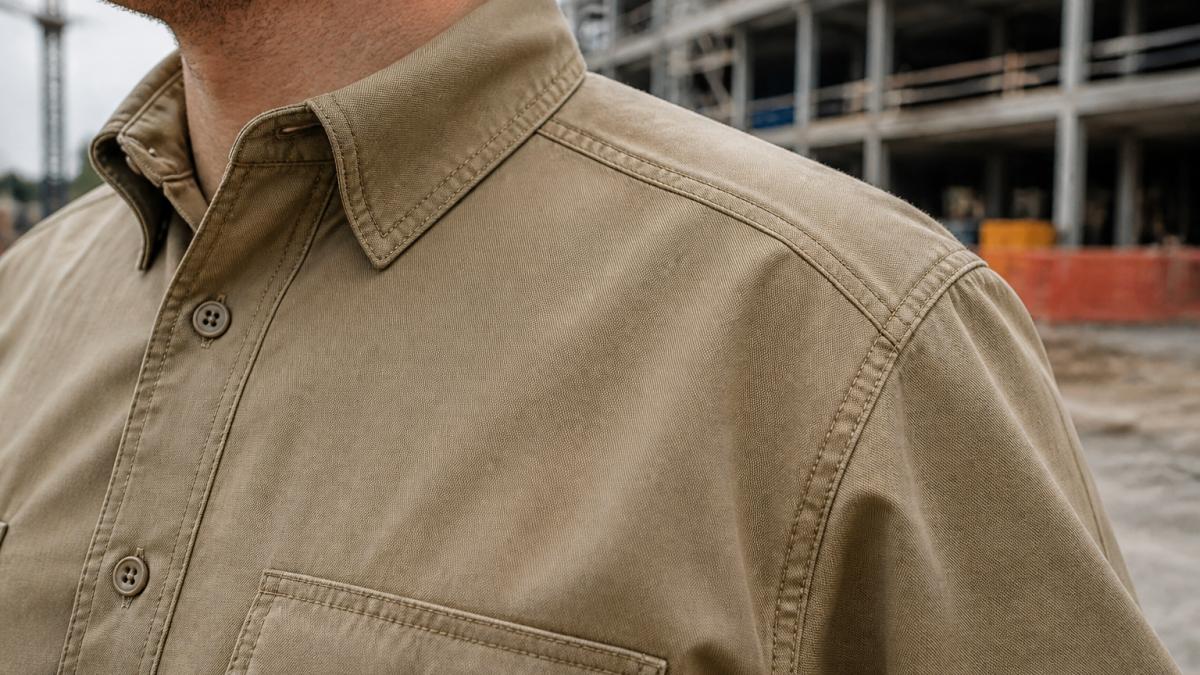
Flat-felled seams fold fabric back on itself and stitch twice, stronger than standard seams, with a cleaner interior that resists chafing. Look for flat-felled or double-lapped construction at shoulder and side seams.
Seam allowance, fabric between the stitch line and raw edge, matters for repair. A ½-inch or wider allowance can be re-stitched; a narrow one usually cannot. Confirm this spec if your program repairs shirts.
Button, Pocket, and Stress-Point Reinforcement
Buttons fail two ways: the button breaks, or the attachment tears through fabric. Metal buttons outlast plastic but can corrode in wet or chemical environments; look for plated or coated hardware. Reinforced attachment uses a thread shank so the button flexes instead of pulling fabric.
Pockets should be bartacked, a dense stitch cluster, at each corner where stress concentrates. Confirm whether the pocket bag is sewn through both fabric layers or only the facing; double-layer construction holds up better. Chest pockets should hold a phone or small notebook without the flap pulling open.
Shrinkage and Colorfastness
Shrinkage is expressed as a percentage change after laundering, typically tested to AATCC methods. A shirt shrinking 5% in length can drop a full size after a few washes. Ask for shrinkage values in length and width; anything above roughly 3% is worth flagging when fit consistency matters.
Colorfastness covers resistance to light fading (measured on a gray scale, where higher ratings mean less fading) and to crocking, or color transfer from rubbing. For high-visibility garments it affects whether the garment still meets the visibility standard after laundering. For branded shirts, poor colorfastness means your logo and shirt color drift apart.
Fit, Comfort, and Breathability for All-Day Wear
Field staff wear shirts eight hours or more daily. A shirt that restricts movement or irritates gets replaced, even if durable, comfort and durability must work together.
Look for a cut that allows movement: shoulders sitting naturally without pulling, sleeves reaching the wrist without bunching, armholes spacious enough for overhead work, and chest pockets that don't catch on tools.
Breathability comes from fabric choice and construction. Open weaves let air flow better than tight weaves. Mesh panels in high-sweat areas (back, underarms) improve ventilation.
Collar construction affects comfort. A reinforced collar holds its shape through dozens of washings; one that wilts looks unprofessional. Curved collar seams sit better on the neck than straight seams.
High-Visibility Work Shirts: Safety and Visibility Standards
Teams working near traffic or in low light need high-visibility apparel using fluorescent colors (orange, yellow, lime green) and reflective materials to make workers visible from a distance.
High-visibility shirts must meet ANSI/ISEA 107 standards, which define color brightness and reflective placement. Class 2 and Class 3 shirts have the most reflective coverage.
Reflective materials degrade with washing. Industrial laundering (hot water, harsh detergents) fades reflective coating faster than gentle home washing, so high-visibility shirts need careful care to stay compliant.
Many high-visibility shirts use polyester or synthetic blends because they hold fluorescent dyes better than cotton. The trade-off is less breathability, so ensure ventilation if your team works in warm conditions.
Work Shirt Care and Washing: Extending Garment Life
Care determines whether durability is protected or thrown away. The same shirt can last two seasons or six months depending on wash temperature, detergent chemistry, drying method, and whether it goes through home laundry or a commercial service. Care is also a cost lever: every extra month of wear life lowers cost per wear and pushes out your next replacement order.
Wash Temperature, Detergent, and Cycle Selection
Hot water weakens fibers and accelerates shrinkage, especially in cotton and cotton-rich blends. Warm or cold water preserves strength and color. Use the gentlest cycle that still gets shirts clean; heavy-duty cycles add abrasion that wears down fibers and seam thread.
Detergent choice matters more than most buyers realize. Powdered detergents often leave residue in tight weaves; mild liquid detergents rinse cleaner. Avoid chlorine bleach on colored or high-visibility shirts, it degrades dye and weakens fibers.
Fabric softener is a common workwear mistake. It coats fibers with a waxy film that reduces breathability and blocks moisture-wicking finishes, and buildup makes shirts stiff and traps odor. Skip it on performance and high-visibility garments.
Drying, Pressing, and Handling
High dryer heat shrinks fabric and degrades elastic fibers in stretch panels and knit collars. Tumble dry low or air-dry, and remove shirts promptly to minimize wrinkles, reducing the need for pressing, itself a source of heat stress on fabric.
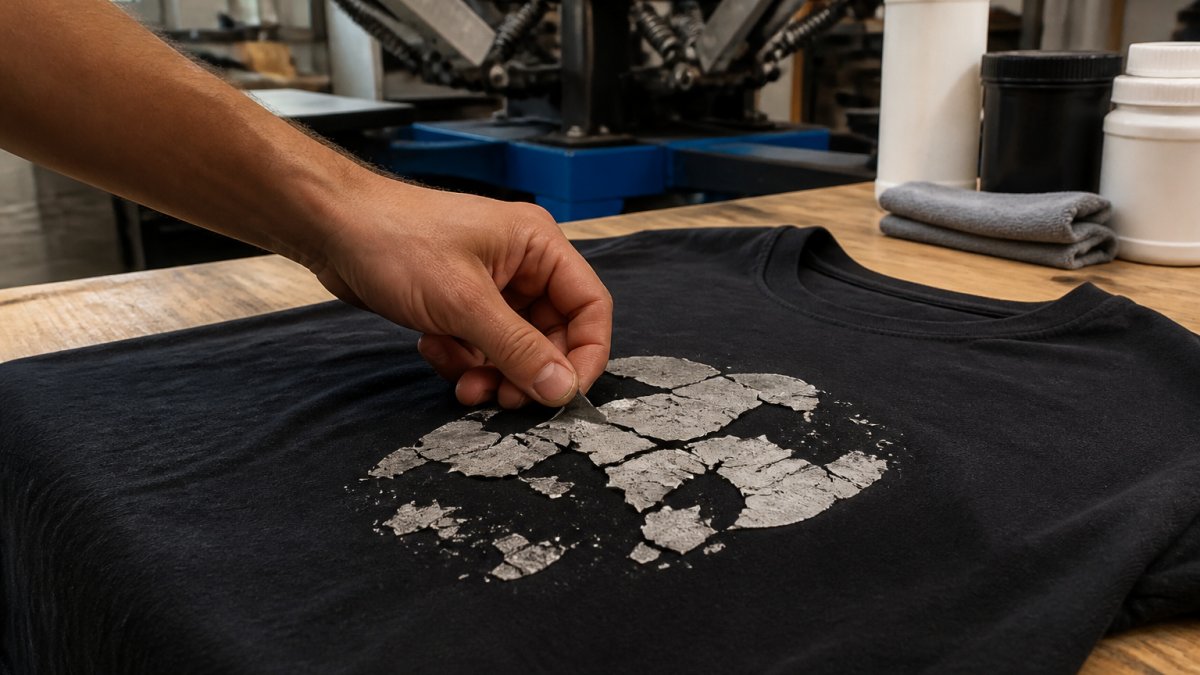
Turn shirts inside-out before washing to reduce pilling and protect printed or embroidered logos. Separate colors from whites to prevent dye transfer, and wash high-visibility garments separately from dark or abrasive items that dull reflective trim.
Industrial and Commercial Laundering
If your program uses a commercial or industrial laundry, understand what it does to garment life. Industrial laundering runs hotter water, stronger chemistry, and more aggressive mechanical action than home washing, accelerating fiber breakdown, dulling reflective trim, and shortening high-visibility garment life.
Ask your laundry provider three questions: what wash temperature and chemistry they use, whether they can run a gentler cycle for branded or high-visibility items, and how they track garment condition and pull damaged items from rotation. Some retire reflective garments on a schedule tied to the visibility standard rather than waiting for visible failure.
Repair, Retirement, and Cost Per Wear
Small repairs prevent large replacements. Reattaching a loose button, restitching a popped seam, or patching a small hole costs a fraction of a new shirt and adds months of service. Set a rule: any shirt with a failed seam, missing button, or hole larger than a coin goes to repair or is retired.
Cost per wear tells you whether a shirt is a good deal. Divide total cost, purchase price plus decoration, laundering, and repair over its life, by the number of wears before retirement. A cheaper shirt failing after one season often costs more per wear than a higher-priced shirt lasting three. Track wear life by style and team.
Matching Shirts to Job Tasks and Environmental Conditions
Not all durable work shirts suit every job.
For teams outdoors in sun exposure, polyester or synthetic-heavy blends resist fading better than pure cotton, and UV-protective treatments add sun defense.
Teams in wet conditions need quick-dry fabrics. Polyester dries faster than cotton. Moisture-wicking treatments pull sweat away from skin.
For teams handling abrasive materials (concrete, metal, rough surfaces), heavier fabrics and reinforced construction matter more than breathability.
Chemical exposure (oils, solvents, acids) requires treated fabrics. Some work shirts have stain- or chemical-resistant coatings that protect garment and worker.
Temperature control matters too.
Choosing durable work shirts for field staff means evaluating fabric, construction, fit, and environment together.
Frequently Asked Questions
What fabric is best for durable work shirts?
Ring-spun cotton and cotton-polyester blends (65/35 or 50/50) offer the best durability for work shirts. Ring-spun cotton has stronger, more tightly twisted fibers that resist pilling and wear. Polyester blends add shrink resistance and reduce wrinkles, extending garment life. For outdoor or high-moisture jobs, moisture-wicking blends perform better than 100% cotton, which absorbs sweat and dries slowly.
How do I choose durable custom work shirts with a company logo?
Select a shirt with quality base fabric first, then verify the decoration method matches your durability needs. Screen printing and embroidery both last longer when applied to pre-shrunk fabrics. Ask your provider about their process for approving logo placement and color accuracy before production. Request samples to ensure your branded apparel maintains its appearance through many wash cycles.
Are cotton or polyester work shirts more durable?
Cotton-polyester blends outperform 100% cotton or 100% polyester alone. Blends combine cotton's breathability and comfort with polyester's durability, shrink resistance, and shape retention. Pure cotton is softer but prone to shrinkage and pilling. Pure polyester is tough but less breathable and can feel plastic-like. For field staff, a 65% cotton/35% polyester or 50/50 blend provides the best balance of durability, comfort, and practicality.
How do I tell if a work shirt is well made?
Examine the stitching along seams, collars, and armholes, quality shirts have straight, even stitches with no loose threads. Check that buttons are securely attached with reinforced backing, and pockets are stitched with double or triple-stitched seams. Feel the fabric weight and density; heavier, tightly woven fabrics resist tearing and abrasion better. Look for finished hems and reinforced stress points like shoulder seams and pocket corners.